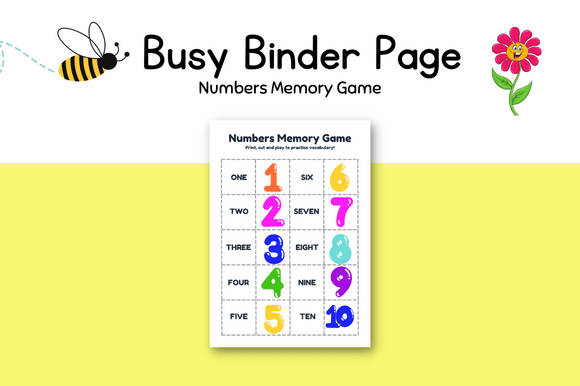
Number Matching Game: Strategic Implementation for Early Learning and Digital Product Development
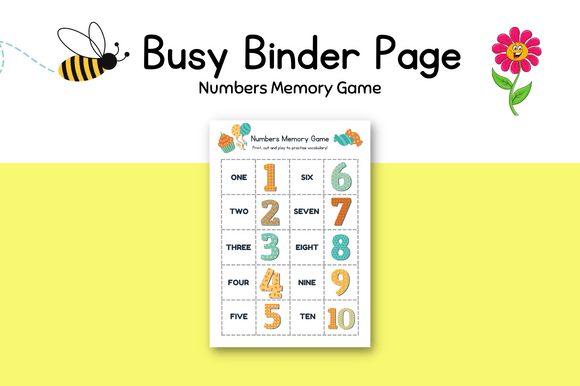
The Number Matching Game represents a foundational intersection between cognitive development theory and practical resource management. For educators, parents, and digital product creators, this activity is more than a simple pastime; it is a strategic tool for building numeracy fluency and a viable asset in the educational content marketplace. When utilizing a Cut and Paste Print at home Numbers Matching Game 1 PNG 1 PDF File package, stakeholders must approach the resource with intentionality to maximize both pedagogical outcomes and operational efficiency. The value lies not merely in the act of matching symbols to quantities, but in how this specific format supports structured learning environments and scalable content distribution.
Cognitive Foundations and Strategic Educational Value
Understanding the strategic utility of a Number Matching Game requires looking beyond surface-level engagement. This activity targets one-to-one correspondence, a critical precursor to advanced mathematical reasoning. For professionals designing curriculum or parents facilitating home education, the cut-and-paste format adds a layer of psychomotor reinforcement that digital-only alternatives often lack. The physical manipulation of cutting out a number and aligning it with its corresponding visual quantity strengthens neural pathways associated with spatial awareness and fine motor control.
From a planning perspective, incorporating this type of tactile activity serves as a diagnostic checkpoint. Unlike automated apps that provide instant feedback, a printable worksheet allows an observer to assess a learner’s process. You can identify whether hesitation stems from a lack of number recognition, difficulty with scissor skills, or challenges in visual discrimination. This data is invaluable for adjusting instructional strategies. When you deploy a Number Matching Game intentionally, it becomes an assessment instrument disguised as play, providing actionable insights into a child's developmental readiness without the pressure of formal testing.
Leveraging Dual-Format Assets for Operational Flexibility
The inclusion of both PNG and PDF files in a single resource package addresses distinct operational needs for creators and educators. A strategic user understands that these formats serve different functions within a content ecosystem. The PDF file is the end-user deliverable, optimized for consistent printing across various devices and paper sizes. It ensures that the layout remains intact, preserving the integrity of the cut lines and visual alignment necessary for the activity to function correctly.
Conversely, the PNG file offers creative flexibility for marketers, bloggers, and curriculum designers. This raster image format allows for seamless integration into digital presentations, social media graphics, website headers, and promotional materials without the formatting constraints of a document reader. For entrepreneurs selling educational printables, the high-resolution PNG serves as a mockup base or a preview asset that showcases the product’s value proposition before purchase. By utilizing both formats, you reduce the friction between product creation and marketing execution, streamlining workflows and maintaining brand consistency across touchpoints.
Integrating Tactile Resources into Modern Learning Ecosystems
In an era dominated by screen-based learning, the strategic reintroduction of analog tools like a Cut and Paste Print at home Numbers Matching Game creates a balanced cognitive diet. Decision-makers in education and parenting should view this not as a regression to outdated methods, but as a necessary counterweight to digital fatigue. Research consistently suggests that multisensory learning experiences improve retention rates. When planning a weekly curriculum or a product line, consider where tactile interaction can reinforce concepts introduced digitally.
For content creators and publishers, this hybrid approach expands market appeal. Parents and teachers are actively seeking resources that bridge the gap between convenient digital access and meaningful offline engagement. Positioning your Number Matching Game assets as part of a broader "balanced learning" strategy differentiates your offerings from generic worksheet repositories. It signals an understanding of holistic child development rather than mere content generation. This positioning builds trust and authority, key components of long-term audience loyalty and search engine relevance.
Risk Mitigation and Quality Assurance in Resource Selection
While accessible, relying on Number Matching Game resources without clear quality standards introduces risks. Poorly designed cut-and-paste activities can frustrate learners and undermine educational goals. Before integrating any PNG or PDF asset into your workflow, conduct a thorough usability audit. Verify that the cutting lines are appropriate for the target age group; overly intricate shapes for beginners can shift focus from numeracy to dexterity, defeating the primary learning objective. Ensure the visual representations of numbers are unambiguous and culturally neutral to avoid confusion.
For digital entrepreneurs, there is also the risk of licensing ambiguity. Always verify the commercial use rights associated with both the PDF and PNG files. Using a personal-use-only asset in a paid product bundle or marketing campaign exposes your business to legal liability. Strategic due diligence involves reading license agreements thoroughly and documenting permissions. Furthermore, ensure the resolution of the PNG file meets professional printing and display standards. Pixelated or low-contrast images degrade perceived value and can negatively impact conversion rates for digital products.
Practical Applications for Educators and Content Entrepreneurs
The versatility of a Number Matching Game extends across multiple professional domains when applied with strategic intent. Below are practical frameworks for leveraging this resource effectively:
- Curriculum Scaffolding: Use the cut-and-paste activity as a transitional step between concrete object counting and abstract symbol recognition. Sequence it after hands-on manipulatives but before written numeral practice to build confidence through guided success.
- Lead Generation for Creators: Offer a simplified version of the PDF as a free lead magnet. Use the high-quality PNG to create visually compelling opt-in forms and social proof posts. This demonstrates value upfront while reserving comprehensive bundles for paid tiers.
- Differentiated Instruction: Modify the standard game for diverse learners. For advanced students, introduce addition or subtraction elements to the matching pairs. For those needing support, pre-cut the pieces to isolate the cognitive task of matching from the motor skill of cutting.
- Brand Consistency: If creating a series of educational printables, use the PNG assets to establish a recognizable visual identity. Consistent color palettes, typography, and illustration styles across your Number Matching Game products reinforce brand recall and encourage repeat purchases.
- Parent Communication: Educators can share the PDF with families as a home extension activity. Include brief guidance notes explaining the learning objective and suggested discussion prompts. This transforms a simple worksheet into a collaborative home-school connection tool.
Planning for Long-Term Impact and Scalability
Sustainable results require moving beyond ad-hoc usage toward systematic integration. When building an educational product business or a homeschool curriculum, treat each Number Matching Game as a modular component of a larger system. Standardize your file naming conventions, organization structures, and metadata tagging for both PNG and PDF assets. This infrastructure investment pays dividends as your library grows, making future updates, bundling, and cross-promotion significantly more efficient.
Consider the lifecycle of the resource. A well-designed cut-and-paste activity remains relevant regardless of seasonal trends, making it evergreen content. However, to maintain engagement, plan periodic refreshes of the visual theme while retaining the core mechanical structure. This approach balances the efficiency of templated design with the novelty required to sustain user interest. Track performance metrics—whether student mastery rates or digital download statistics—to inform future iterations. Data-driven refinement ensures your resources evolve in alignment with actual user needs rather than assumptions.
Decision-Making Framework for Resource Implementation
Before deploying a Cut and Paste Print at home Numbers Matching Game 1 PNG 1 PDF File, apply this strategic filter to ensure alignment with your objectives:
- Define the Primary Outcome: Are you targeting fine motor development, number recognition, or content monetization? Clarity here dictates which format (PDF vs. PNG) takes precedence and how the activity is framed.
- Audit Audience Fit: Does the complexity match the developmental stage of your learners or the expectations of your customers? Misalignment leads to abandonment or negative reviews.
- Evaluate Integration Points: Where does this resource fit within existing workflows or curricula? Isolated activities have lower impact than those connected to preceding and subsequent learning experiences.
- Assess Technical Requirements: Do users have access to printers, scissors, and adhesive? For digital products, do the file sizes and formats work across common devices and platforms?
- Measure Success Criteria: Establish clear indicators of effectiveness beforehand. For educators, this might be observed proficiency gains. For creators, it could be engagement rates or sales conversions.
Thoughtful implementation of a Number Matching Game transcends the simplicity of the activity itself. Whether used to foster early numeracy in a classroom or to build a sustainable digital product portfolio, success depends on strategic alignment, quality execution, and continuous evaluation. By treating these resources as intentional tools rather than disposable content, professionals and caregivers alike can achieve meaningful, measurable outcomes that support long-term growth and development. The dual-format nature of modern educational assets provides unprecedented flexibility, but only for those willing to invest the cognitive effort required to wield them effectively.