Winter Bingo Game: A Strategic Tool for Classroom Engagement and Seasonal Planning
Effective engagement during the winter months requires more than simple entertainment; it demands a structured approach to maintaining focus, fostering community, and managing energy levels. The Winter Bingo Game serves as a versatile operational tool for educators, homeschoolers, and youth program directors who need to balance seasonal excitement with productive learning outcomes. Rather than viewing this resource merely as a pastime, strategic practitioners should recognize it as a mechanism for reinforcing listening skills, supporting visual literacy, and creating predictable routines during a time of year often characterized by disruption and fatigue.
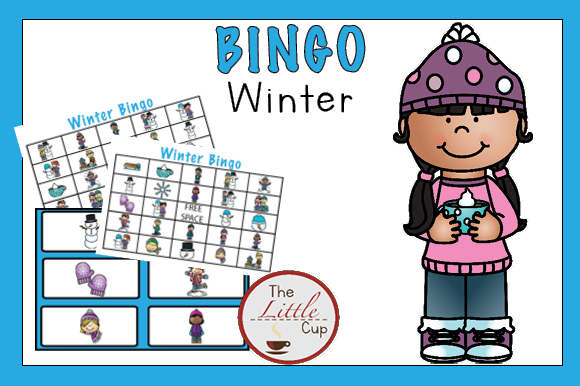
This specific Winter Bingo Game is designed with scalability and variety in mind, featuring 26 unique boards with 24 picture spaces plus a free space, alongside four pages of dedicated calling cards. This volume allows for simultaneous participation across large groups without redundancy, ensuring that each student’s experience remains distinct. For professionals managing classrooms, travel programs, or homeschool co-ops, understanding how to leverage this asset intentionally can transform a simple game into a high-value component of your seasonal curriculum strategy.
Aligning Seasonal Activities with Learning Objectives
The primary risk in incorporating thematic games is the potential for activity to overshadow objective. To avoid this, the Winter Bingo Game must be positioned as a reinforcement tool rather than a distraction. The imagery used—snowmen, hot chocolate, sled riding, and other winter motifs—provides a contextual anchor for vocabulary development and cultural discussion. When planning your implementation, map specific game sessions to broader educational goals.
For early childhood educators, the game supports visual discrimination and pattern recognition. For older students or language learners, it can serve as a prompt for narrative building or descriptive language exercises. Instead of simply calling out "hot chocolate," an educator might describe the item functionally or sensorially, requiring students to process complex auditory information before identifying the corresponding visual marker. This shifts the activity from passive matching to active cognitive processing.
Strategic planning also involves timing. Winter Bingo is particularly effective as a transition activity between high-energy outdoor play and focused indoor work, or as a structured wind-down routine during holiday parties. By anchoring the game to specific transitional moments in your schedule, you utilize its engaging nature to regulate group dynamics rather than allowing it to become unstructured chaos.
Operational Considerations for Large Groups and Travel
Logistics often determine the success of collaborative classroom games. With 26 unique boards, this resource is optimized for standard class sizes, eliminating the downtime associated with printing duplicates or managing shared materials. However, decision-makers must consider the physical management of these assets. Laminating boards for reuse or using dry-erase sleeves transforms a single download into a sustainable, long-term resource, reducing both cost and waste over multiple winter seasons.
For traveling homeschoolers and families engaged in winter time travel, portability is a key performance indicator. Digital tablets can display the calling cards while physical boards provide tactile engagement, or vice versa. The compact nature of the four-page calling card set makes it ideal for transit environments where space is limited but attention spans are short. In these contexts, the game functions as a "third space" activity that bridges the gap between destination-based learning and transit time, maintaining educational continuity even while in motion.
- Asset Longevity: Invest in protective sleeves or lamination immediately upon printing to ensure the 26 boards withstand repeated use across multiple cohorts.
- Differentiation Strategy: Utilize the unique board variations to pair students strategically, ensuring that peers sitting adjacent to one another have different layouts to encourage independent verification.
- Auditory Modulation: Use the calling cards to practice volume control and enunciation, turning the role of "caller" into a leadership opportunity for students.
- Cultural Contextualization: Audit the imagery against your specific demographic to ensure relevance, adding supplementary discussion points if certain winter traditions require explanation.
Mitigating Risks Through Intentional Facilitation
Without clear facilitation guidelines, bingo games can devolve into competitive stressors that exclude slower processors or disengage advanced learners. A strategic approach to the Winter Bingo Game involves establishing explicit protocols for play that prioritize collaboration and following directions over speed. Consider implementing "cooperative bingo" where the goal is for the entire room to achieve a line within a set timeframe, or rotating the caller role to build public speaking confidence.
Another consideration is accessibility. While picture-based bingo is inherently inclusive for pre-readers and English Language Learners, facilitators must ensure that visual clarity meets the needs of all participants. Review the downloaded files at actual print size before mass production to verify that images are distinct and easily recognizable from a distance. If working with neurodivergent students, consider whether the 24-space grid provides appropriate challenge or overwhelming complexity; having blank boards available for custom adaptation allows you to modify the density of stimuli based on real-time observation of group capacity.
Furthermore, reliance on seasonal themes carries the risk of exclusion for students whose cultural or religious backgrounds do not align with traditional winter iconography. Thoughtful practitioners use the Winter Bingo Game as a starting point for broader conversations about seasonal experiences globally, rather than presenting the depicted activities as universal norms. This reframing turns a potential liability into an opportunity for social-emotional learning and community building.
Maximizing Return on Educational Investment
To extract maximum value from this download, integrate it into a larger communication and feedback loop. After gameplay, conduct brief debriefs that connect the activity back to core competencies. Ask students to identify which strategies helped them locate items quickly, or discuss how following directions impacted their success. These metacognitive reflections solidify the learning transfer and demonstrate to stakeholders—whether parents, administrators, or funding bodies—that recreational time is being utilized with pedagogical intent.
From a branding and community perspective, consistent use of high-quality, themed resources like this Winter Bingo Game signals professionalism and attentiveness to detail. For freelance educators and small business owners running after-school programs, these polished touchpoints contribute to a cohesive brand experience that differentiates your offering from generic childcare. Parents and clients notice when activities feel curated rather than improvised, and this perception directly influences retention and referral rates.
Planning should also account for post-season utility. While the imagery is winter-specific, the underlying mechanics of matching, listening, and turn-taking are perennial. Document your facilitation notes and student responses now to inform future resource acquisition. Did the 24-space format work better than 16? Were the calling cards sufficient, or did you need to create supplements? Treating this Winter Bingo Game as a data point in your ongoing program evaluation ensures that each investment yields compounding insights for future decision-making.
Strategic Implementation Checklist
- Pre-Assessment: Evaluate current group dynamics and learning gaps to determine if Winter Bingo addresses a specific need (e.g., vocabulary reinforcement, community building, transition management).
- Resource Preparation: Print and protect all 26 unique boards and 4 pages of calling cards; organize markers or chips in accessible containers to minimize setup friction.
- Protocol Definition: Establish clear rules for winning, verifying, and taking turns before introducing the game to prevent behavioral issues during play.
- Contextual Integration: Schedule the game at optimal times within your existing curriculum flow, linking it explicitly to preceding or subsequent lessons.
- Inclusivity Audit: Review content for cultural responsiveness and accessibility, preparing modifications or discussion points as needed for your specific audience.
- Feedback Collection: Observe engagement levels and learning outcomes during initial sessions to calibrate difficulty and pacing for future iterations.
Ultimately, the Winter Bingo Game represents a low-cost, high-flexibility asset for professionals navigating the unique challenges of the winter term. Its value lies not in the novelty of snowmen or sleds, but in its capacity to structure interaction, reinforce foundational skills, and maintain morale during a demanding season. By approaching this resource with the same strategic rigor applied to core curriculum planning, educators and program leaders can ensure that every minute of gameplay contributes meaningfully to long-term developmental and organizational goals. The difference between a filler activity and a strategic intervention is intentionality; with thoughtful preparation and clear objectives, this downloadable resource becomes a reliable component of a resilient winter programming strategy.