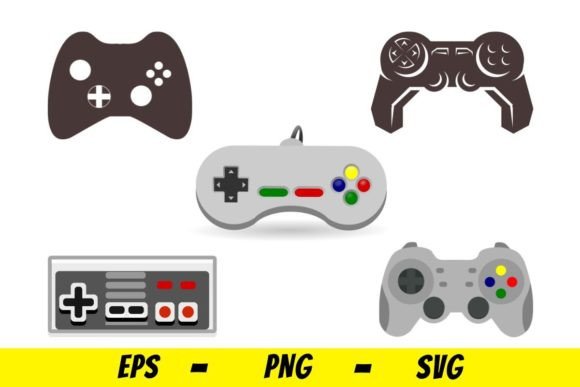
Retro Wave Arcade Game Design Assets
Capturing the electric nostalgia of 80s aesthetics requires more than just neon filters; it demands precise, high-fidelity visual elements that translate seamlessly across modern media. When integrating a Retro Wave Arcade Game style into your creative workflow, the quality of your source assets dictates the final impact of the project. Designers exploring this vibrant genre need resources that offer both authentic vintage charm and contemporary technical standards to ensure their branding, digital interfaces, and marketing materials stand out with professional clarity.
The Role of High-Resolution Assets in Visual Design
In graphic design, the distinction between amateur and professional work often lies in asset resolution and format versatility. A Retro Wave Arcade Game illustration serves as a powerful anchor for brand identity, evoking feelings of nostalgia, energy, and playfulness. However, using low-quality previews or rasterized web images can severely limit usability. To maintain a polished aesthetic, designers must utilize assets rendered at much higher quality than standard preview images. This ensures that whether the graphic is used for a small social media icon or a large-format print banner, the edges remain crisp and the colors stay vibrant without pixelation.
Accessing files where each illustration is separated in a zip file as a high-resolution PNG on a white background streamlines the design workflow significantly. The clean white background allows for effortless masking and compositing within Photoshop, Illustrator, or Figma, saving hours of tedious editing. Furthermore, receiving vector EPS files alongside PNGs provides unmatched scalability. Vectors are essential for logo design and typography integration, allowing you to resize arcade cabinet graphics or pixel-art characters infinitely without losing definition.
Practical Applications Across Creative Projects
The versatility of retro wave imagery extends far beyond gaming contexts. These assets act as dynamic creative assets for various disciplines:
- Branding and Identity: Incorporate stylized arcade elements into logos or brand patterns to create a memorable, energetic visual language that appeals to millennial and Gen Z audiences.
- Digital Marketing and Social Media: Use bold, neon-infused illustrations to stop the scroll. High-res PNGs are perfect for Instagram stories, YouTube thumbnails, and ad creatives where visual hierarchy is paramount.
- Web and UI Design: Enhance user engagement by using retro game motifs as interactive hover states, loading animations, or hero section backgrounds. The familiar aesthetic can make complex interfaces feel more approachable and fun.
- Packaging and Merchandise: From apparel to product labels, vector-based retro art ensures print-ready quality. The absence of watermarks on downloaded illustrations guarantees a premium, commercial-grade finish for retail products.
- Editorial and Presentations: Break up dense text layouts with thematic visuals that reinforce the narrative. Retro wave graphics add color and context to articles, pitch decks, and annual reports focused on tech, entertainment, or pop culture.
Evaluating and Implementing Retro Aesthetics Effectively
When selecting a Retro Wave Arcade Game asset pack, prioritize consistency in color palette and line weight. A cohesive set ensures that your website headers match your business cards and packaging design. Look for assets that balance nostalgic detail with modern minimalism; overly cluttered graphics can compete with essential typography and calls to action. Effective visual communication relies on negative space, so choose illustrations that allow room for copy and UI elements to breathe.
Consider the technical compatibility of the files with your existing brand system. The inclusion of both Images PNG and Vector EPS formats offers the best of both worlds: raster fidelity for complex shading and lighting effects, and vector precision for shapes and text. This dual-format approach supports a responsive design strategy, ensuring your creative projects look exceptional on retina displays and physical media alike. Additionally, verify that the color profiles are suitable for your intended output, keeping CMYK conversions in mind for print design while utilizing RGB for digital screens.
Ultimately, the success of a retro-themed project hinges on thoughtful execution rather than mere trend-chasing. By investing in premium, watermark-free assets delivered in versatile formats, designers can elevate their work from generic nostalgia to sophisticated visual storytelling. Quality creative assets not only improve aesthetics but also enhance communication by providing reliable, scalable building blocks that adapt to any medium. When the foundational elements are professionally crafted, the resulting design resonates more deeply with audiences, bridging the gap between past inspiration and future innovation.