The Evolution of Digital Assets: Understanding Game Ui Coin and the Shift Toward High-Fidelity Design Resources
The digital product landscape is undergoing a fundamental transformation, driven by the convergence of gaming aesthetics, decentralized economies, and an insatiable demand for high-quality user interfaces. Within this evolving ecosystem, Game Ui Coin has emerged as a significant point of discussion for professionals across multiple disciplines. It represents more than just a speculative asset or a niche token; it symbolizes the growing intersection between functional design utility and digital value exchange. For creators, entrepreneurs, marketers, and developers, understanding the relevance of Game Ui Coin requires looking beyond surface-level definitions to examine the broader shifts in how we create, distribute, and monetize digital experiences.
As workflows become more sophisticated and consumer expectations rise, the tools and assets that power our digital environments must evolve in tandem. The attention surrounding Game Ui Coin is not accidental. It is a direct response to changing needs in the creative economy, where the line between game design and traditional user interface development continues to blur. This article explores the practical implications of this trend, offering insights into why this asset class matters and how it fits into the larger narrative of digital innovation.
Defining Game Ui Coin in the Modern Creative Economy
At its core, Game Ui Coin functions as a specialized digital asset situated at the nexus of gaming culture and interface design. While traditional cryptocurrencies focus primarily on financial transactions or store-of-value propositions, assets like Game Ui Coin are increasingly tied to specific ecosystems of utility. In many contexts, such tokens serve as governance mechanisms, access keys to premium asset libraries, or mediums of exchange within platforms dedicated to game user interface resources. They represent a move toward tokenized creativity, where the value of a digital item is intrinsically linked to its application in professional workflows.
For industry professionals, the definition extends to the quality standards associated with the ecosystem. When engaging with platforms or marketplaces anchored by Game Ui Coin, users are often accessing a tier of design resources that surpasses generic stock offerings. The expectation is one of production-ready fidelity. This is crucial because modern UI design for games and applications demands scalability and precision. Professionals are no longer satisfied with low-resolution placeholders; they require assets that can withstand the scrutiny of 4K displays and dynamic rendering engines.
This shift reflects a maturing market. Just as software development moved from monolithic structures to microservices, the creative asset market is moving from generalized repositories to specialized, high-value ecosystems. Game Ui Coin acts as a signal within this space, indicating a commitment to quality and specificity that general-purpose tokens cannot convey. It aligns economic incentives with creative output, ensuring that the most valuable assets receive appropriate support and development.
Industry Trends Driving Relevance and Adoption
The rising prominence of Game Ui Coin is inextricably linked to several macro-trends reshaping the technology and lifestyle sectors. One of the most significant is the "gamification" of non-gaming interfaces. Fintech apps, educational platforms, and enterprise software are increasingly adopting visual languages derived from video games to enhance engagement and usability. This cross-pollination creates a massive demand for authentic game-style UI elements, driving interest in specialized assets and the tokens that facilitate their acquisition.
Furthermore, the creator economy has shifted toward ownership and direct monetization. Freelancers and independent studios are seeking ways to bypass traditional gatekeepers and secure fair compensation for high-effort work. Blockchain-integrated ecosystems utilizing Game Ui Coin offer a framework for this transparency. By embedding value directly into the asset lifecycle, these systems address long-standing pain points regarding attribution and royalty distribution. For marketers and brand managers, this means accessing verified, high-quality assets while supporting a sustainable model for the original artists.
Consumer preferences also play a pivotal role. Today’s users possess a refined visual literacy developed through years of interacting with polished digital entertainment. They expect seamless transitions, intuitive iconography, and cohesive aesthetic themes regardless of the platform. A banking app with clunky navigation feels archaic compared to a mobile RPG with fluid menus. Consequently, businesses are investing heavily in UI overhauls to meet these elevated standards. Game Ui Coin facilitates this investment by streamlining access to the specific type of design language that resonates with modern audiences.
The Technical Imperative: Resolution and Format Flexibility
A critical factor distinguishing professional-grade assets from amateur content is technical versatility. In the context of ecosystems supported by Game Ui Coin, there is a rigorous standard for deliverables. Professionals understand that a preview image is merely a representation; the true value lies in the source files. This is where the distinction between web previews and downloadable master files becomes paramount.
When acquiring assets within this sphere, the delivery format is non-negotiable. Creators require files that integrate seamlessly into diverse pipelines, whether for Unity, Unreal Engine, Figma, or Adobe Illustrator. The standard expectation for premium assets includes:
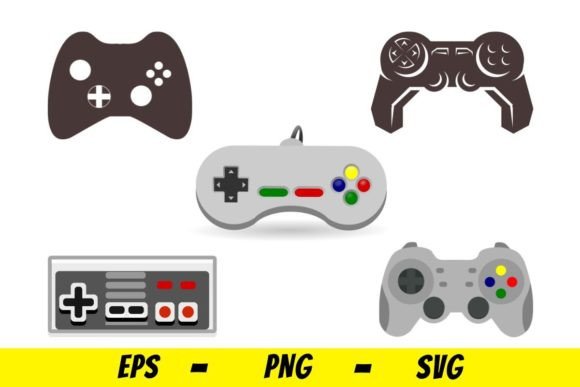
- High-Resolution PNG Files: Raster images rendered at resolutions significantly higher than preview thumbnails, ensuring crisp edges on retina displays and large-format screens.
- Vector EPS Files: Scalable vector graphics that allow designers to resize icons and interface elements infinitely without loss of quality, essential for responsive design and multi-platform deployment.
- Clean White Backgrounds: Assets isolated on pure white backgrounds to facilitate easy masking, compositing, and integration into existing design systems without tedious cleanup.
- Watermark-Free Deliverables: Final files that are completely clean and ready for commercial use, respecting the professional integrity of the end product.
- Organized ZIP Archives: Structured file packaging that maintains organization when handling large batches of UI components, streamlining the import process.
This level of technical specification is what separates hobbyist resources from professional tools. The association of Game Ui Coin with these high standards reinforces its utility. It signals to buyers that they are participating in a marketplace where quality assurance is baked into the transaction protocol. For freelancers and agencies operating under tight deadlines, this reliability is worth more than the nominal cost of the asset itself.
Changing Workflows and Professional Expectations
The adoption of specialized digital assets is also a response to the acceleration of development cycles. Agile methodologies and rapid prototyping have compressed timelines, leaving less room for bespoke asset creation from scratch. Smart teams leverage pre-made, high-quality components to build foundations quickly, reserving custom design efforts for unique differentiators. Game Ui Coin ecosystems cater to this hybrid workflow by providing modular, interoperable elements that accelerate production without sacrificing polish.
Moreover, the remote and distributed nature of modern workforces necessitates standardized asset formats. When a team spans multiple time zones and uses different software stacks, ambiguity in file delivery causes friction. The strict adherence to PNG and EPS standards, along with organized ZIP packaging, reduces communication overhead. Everyone knows exactly what they are receiving and how to implement it. This operational efficiency is a subtle but powerful driver of value in the digital asset space.
We are also witnessing a shift in how value is perceived. Previously, digital assets were viewed as disposable commodities. Now, they are seen as foundational building blocks of intellectual property. Entrepreneurs launching new gaming ventures or SaaS products view their UI kits as capital investments. Using assets backed by robust frameworks like Game Ui Coin provides a layer of legitimacy and future-proofing. It suggests that the underlying design system is maintained, updated, and compatible with emerging technologies.
Practical Applications Across Disciplines
The versatility of assets found in these ecosystems makes them relevant far beyond traditional game development. Consider the following practical applications:
- Marketing and Advertising: Marketers creating campaigns for tech-savvy demographics often utilize game-inspired visuals to capture attention. High-res PNGs with transparent or white backgrounds allow for rapid composition of social media ads, landing pages, and email newsletters that feel native to digital culture.
- Educational Technology: EdTech platforms leverage gamified UI to increase student retention. Vector EPS files enable these interfaces to scale across tablets, desktops, and interactive whiteboards while maintaining visual consistency.
- Corporate Dashboards: Internal tools are being redesigned to reduce cognitive load. Clean, icon-driven interfaces inspired by game HUDs (Heads-Up Displays) improve data readability and user satisfaction among employees.
- Indie Game Development: Solo developers and small teams use premium asset packs to achieve AAA visual fidelity on limited budgets. The availability of watermark-free, high-quality vectors allows them to compete visually with larger studios.
In each of these scenarios, the friction of asset acquisition is reduced. The promise of receiving illustrations rendered in much higher quality than preview images builds trust. Professionals know that what they see is a conservative estimate of what they will get, rather than a misleading exaggeration. This inversion of the typical "bait-and-switch" marketing tactic is refreshing and fosters long-term loyalty within the community.
Future Outlook: Integration and Interoperability
Looking forward, the trajectory of Game Ui Coin and similar assets points toward greater interoperability. As metaverse concepts and spatial computing gain traction, UI elements will need to exist in three-dimensional spaces as well as two-dimensional screens. The current emphasis on vector formats and high-resolution rasters lays the groundwork for this transition. Vectors can be extruded into 3D geometry, and high-res textures can be mapped onto virtual objects. Early adopters who familiarize themselves with these asset standards today are positioning themselves advantageously for tomorrow’s immersive interfaces.
Additionally, we can expect deeper integration between asset marketplaces and design tools. Imagine dragging a component from a Game Ui Coin-enabled library directly into a Figma canvas, with licensing and attribution handled automatically via smart contract. This seamless connection between commerce and creation is the logical endpoint of current trends. It removes administrative barriers and allows creatives to focus entirely on innovation.
Ultimately, the story of Game Ui Coin is one of professionalization. It reflects a market that has grown up, demanding better tools, clearer rights, and higher standards. For the entrepreneur, it offers a new avenue for value creation. For the freelancer, it provides reliable resources to elevate their portfolio. For the marketer, it delivers the visual language needed to connect with a digital-native audience. By focusing on the tangible benefits of high-quality, versatile, and professionally packaged assets, we can appreciate this development not as a fleeting trend, but as a structural improvement to the way we build the digital world.
As you navigate this landscape, prioritize sources that adhere to strict quality controls. Ensure that your downloads include both raster and vector options, are free of watermarks, and are delivered in organized archives. These details may seem minor in isolation, but collectively they define the difference between a frustrating search for assets and a streamlined, professional workflow. In an industry defined by pixels and perception, settling for anything less than high fidelity is no longer an option. Game Ui Coin and the ecosystem surrounding it represent the benchmark for this new era of digital craftsmanship.