Billiard Game Creative Promotion Banner: Selecting the Right Visual Assets for Your Campaign
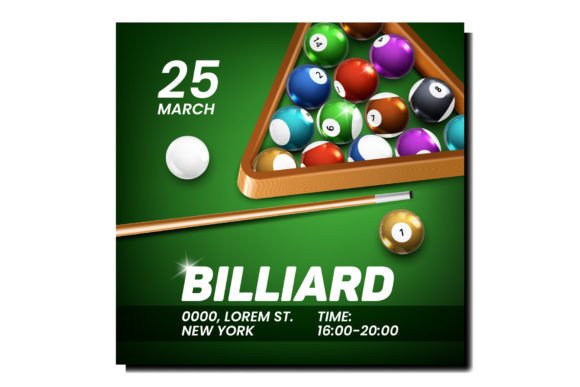
Finding the perfect visual identity for a pool hall, tournament, or sports blog often starts with a single search for a Billiard Game Creative Promotion Banner. This specific type of graphic asset serves as the cornerstone for advertising posters, social media headers, and event flyers. When executed correctly, these banners instantly communicate the atmosphere of the game, blending the tactile feel of wooden sticks and felt tables with professional typography. However, many marketers and business owners rush this selection process, focusing solely on the aesthetic appeal of billiard balls arranged in a triangle while overlooking critical technical and licensing details that determine long-term usability.
The primary appeal of these templates lies in their ability to bridge the gap between amateur design and professional advertising. A high-quality vector illustration provides a scalable foundation that maintains crisp edges whether printed on a small flyer or a large-format venue banner. Yet, the difference between a polished campaign and a pixelated disappointment often comes down to understanding file formats, composition balance, and legal usage rights. By addressing common pitfalls early, you can ensure your promotional materials look as sharp as a professional break shot.
Understanding Vector Versus Raster Limitations
One of the most frequent mistakes occurs when users confuse JPG previews with actual editable source files. Many platforms display a high-resolution JPG of a Billiard Game Creative Promotion Banner, leading buyers to believe they are purchasing a fully customizable template. While JPGs are excellent for web use and quick mockups, they lack the mathematical paths required for resizing without quality loss. If you attempt to stretch a rasterized image for a storefront sign, the wooden textures and ball reflections will blur, undermining the premium feel of your establishment.
To avoid this, always verify that the download package includes an EPS or AI file. The EPS format is industry-standard for print because it retains vector data for illustrations and text layers separately from background effects. This distinction matters significantly when you need to change the color of the felt table to match your brand or update tournament dates. Without the vector source, you are locked into the original designer’s choices, forcing you to hire a graphic artist to recreate elements that should have been editable from the start. Always check the file specifications list before completing any transaction to confirm true vector compatibility.
Evaluating Composition and Negative Space
A visually stunning illustration of billiard balls in a triangle can still fail as a marketing tool if it lacks functional negative space. Designers often get captivated by intricate details—the grain on the wooden stick, the shine on the cue ball, the depth of the table surface—and forget that a promotion banner must communicate information. A common error is selecting a template where the central imagery dominates the entire canvas, leaving no clean area for headlines, dates, or call-to-action buttons.
When reviewing potential templates, apply the "text overlay test" mentally before downloading. Ask yourself where your specific copy will live. Does the composition guide the eye toward a blank area, or does it force you to place white text over busy patterns? Effective billiard promotions use the arrangement of the balls and sticks to create natural framing devices. For example, a diagonal cue stick might point toward an empty upper corner intended for a logo. Choosing a layout that fights against your content needs results in cluttered designs where neither the art nor the message stands out. Prioritize templates that demonstrate clear hierarchy and breathing room over those that are merely decorative.
Navigating Licensing and Commercial Usage
Licensing misunderstandings represent a significant risk for entrepreneurs and freelancers using stock assets. Just because a Billiard Game Creative Promotion Banner is available for purchase does not grant unlimited rights. Many standard licenses cover digital advertising and limited print runs but explicitly prohibit use on merchandise for resale, such as t-shirts, mugs, or branded pool cues. Using a template beyond its permitted scope can lead to copyright claims or unexpected fees later.
Furthermore, be cautious of templates that include recognizable trademarks. Some illustrations inadvertently feature real-world pool table brands, specific cue manufacturer logos, or trademarked ball designs. While these details add realism, they can create legal liabilities if used in commercial advertising without permission from those trademark holders. Responsible creators should select generic representations or verify that all depicted equipment is either fictional or properly cleared for commercial use. Reading the license agreement thoroughly takes only a few minutes but protects your business from costly oversights. If your project involves merchandise or high-volume printing, investing in an extended license upfront is far more economical than facing infringement issues post-launch.
Color Management for Print Consistency
Digital screens and printing presses interpret color differently, leading to frustration when vibrant online proofs turn muddy on paper. Billiard tables present a unique challenge because the specific shade of green or blue felt is iconic to the sport. A template that looks electric on an RGB monitor may print as a dull olive if not properly managed. This discrepancy often stems from downloading files that have not been converted to CMYK color mode or lack proper color profiles.
Before sending any banner to production, open the EPS file and check the color mode. Most professional print shops require CMYK for accurate output. Additionally, consider requesting a physical proof or using a calibrated monitor to preview how colors will translate. Some high-end vector templates include separate spot color channels for specific Pantone shades, ensuring the table felt matches industry standards exactly. Ignoring color management doesn't just affect aesthetics; it affects brand consistency. If your venue uses a signature burgundy felt, but your banner prints purple due to unmanaged RGB conversion, customers may question the professionalism of your operation. Taking extra steps to validate color accuracy ensures your digital promise matches the physical experience.
Customization Depth and Editability
Not all vector files are created equal regarding editability. Some sellers label files as "vectors" simply because they were saved in EPS format, even though the contents are flattened raster images embedded within a vector container. True editability means individual elements—the triangle rack, individual balls, the wooden stick, and background gradients—exist on separate layers with accessible anchor points. Flattened vectors offer no advantage over standard JPGs and waste budget.
To assess true editability, examine the product preview images or description for layer screenshots. Look for mentions of "organized layers," "editable text," or "smart objects." If possible, download a free sample or watermarked preview to test in your vector software before committing. This due diligence prevents the scenario where you purchase a template expecting to swap out the 8-ball for a custom logo, only to discover the balls are merged into a single uneditable shape. Investing time in verifying structural integrity saves hours of redesign work and ensures the template serves as a genuine time-saver rather than a creative roadblock.
Ultimately, selecting the right Billiard Game Creative Promotion Banner requires balancing artistic vision with practical foresight. By prioritizing true vector formats, respecting negative space, understanding licensing boundaries, managing color workflows, and verifying layer organization, you transform a simple stock asset into a powerful marketing instrument. These considerations separate temporary fixes from enduring brand assets that resonate with both casual players and serious enthusiasts. Approach your selection with the same precision you would bring to lining up a difficult shot, and your promotional materials will consistently hit their mark.